



Image
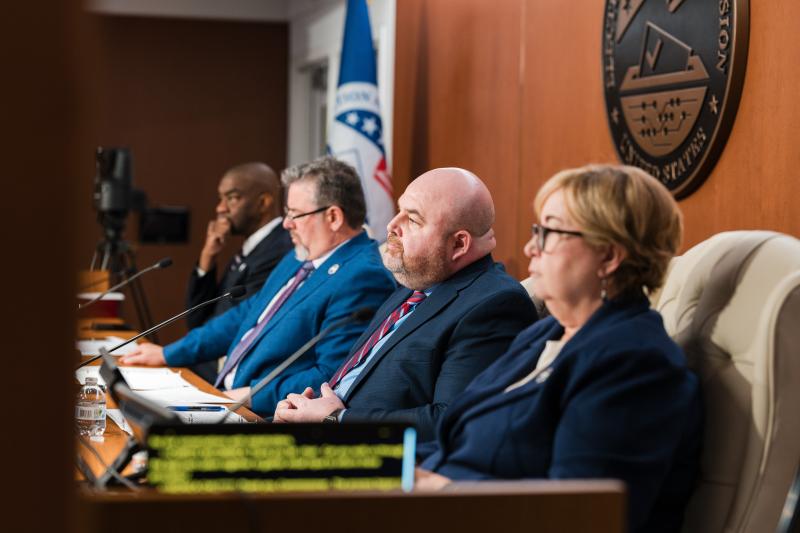
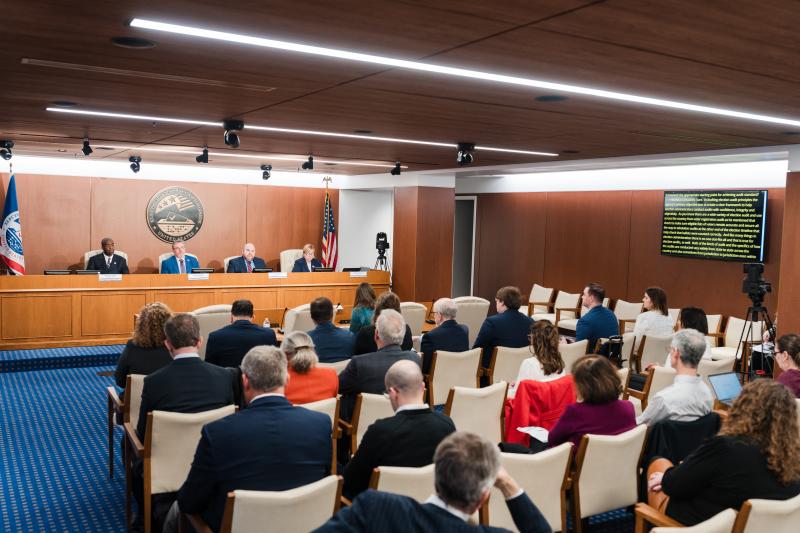
On February 18, the EAC hosted a hearing on Election Audit Standards. The participants provided information on election audit principles and best practices for the agency as it develops work products to assist election officials. Audits are used before, during, and after elections, and speakers highlighted how they can serve as tools for accuracy, transparency, and election security.
The EAC’s Commissioners led discussions with current and former election officials and experts on how they have implemented audits to boost public trust in elections. Kyle Kirkpatrick, Assistant Secretary of State for Elections in Mississippi, was at the meeting to discuss his state’s approach to election audits.
Mr. Kirkpatrick explained that Mississippi is not only using procedural audits to ensure election rules and regulations are followed, but also to improve election worker training across the state.
“It is a great learning point for our office to see what we can train on better… so we can take those lessons from this county and apply it to all counties, so it does not happen elsewhere,” said Mr. Kirkpatrick.
He was joined on a panel by Miguel Nuñez, Executive Director of the Rhode Island Board of Elections; Pam Anderson, Former Clerk, Jefferson County, Colorado and Former Executive Director of the Colorado County Clerks Association; and Mark Earley, Supervisor of Elections, Leon County, Florida.
Mr. Nuñez highlighted his work to identify the right audits for his state through a pilot program in April 2020, which tested every type of risk-limiting audit after the presidential primary.
Image
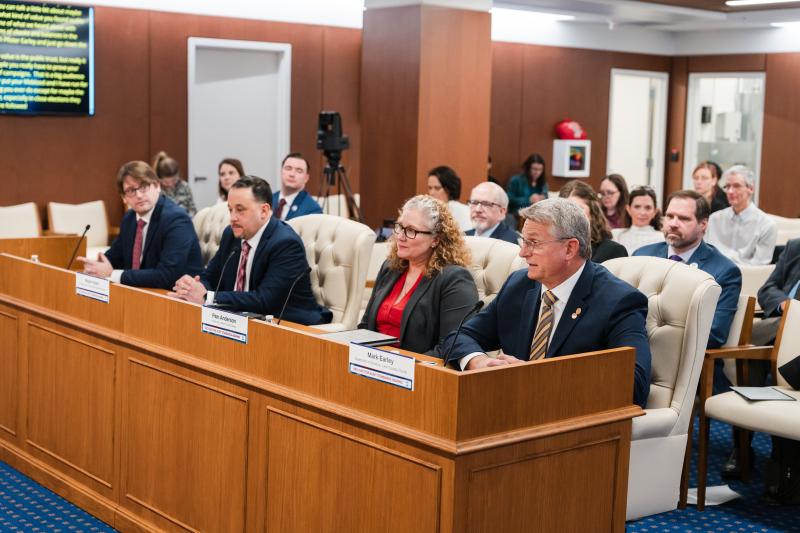
“At the very beginning, we knew that we had to bring in folks from other states and visit folks who were doing this, whether near or far, and we also knew that we had to pilot,” said Mr. Nuñez. “When we were having this discussion, we formed the (risk-limiting audit) working group with many stakeholders and subject matter experts… I think it has been a great example of piloting, piloting, piloting, and trying everything you can to ensure that when you have to do it for real, you're going to do it right.”
Ms. Anderson described how audits have helped build public confidence in Colorado’s election results.
“An election is an accounting project,” said Ms. Anderson. “It is a complex human technical accounting project.” She went on, “Machine counting is very reliable, but we want to make sure that machine counting is going well.”
Mr. Earley added that election audits are especially helpful for evaluating close races and building confidence in the results. However, he also stressed that election offices and the communities they serve vary in size, staffing levels, and resources, which means their auditing needs differ.
“One size does not fit all … we do tabulation (audits), and so we have a second system doing our audits at least in parts of Florida,” said Mr. Earley. “I think we were the first county in the nation to do that. I love our system. Many counties are concerned about the cost of doing that, or even the floorspace if they want to roll that out.”
Image
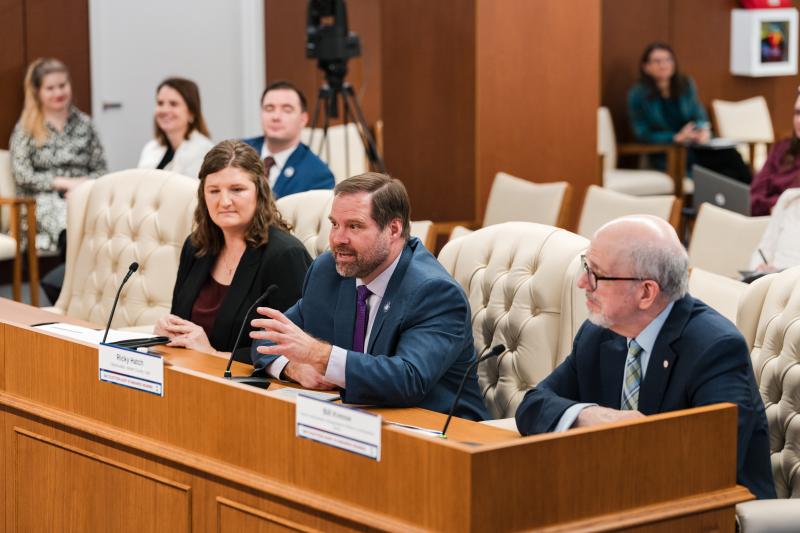
The event’s second panel featured election professionals with auditing experience in other sectors, who could discuss the value of professional audit principles and what they could offer the field of election administration. It included Amanda Harlan, Auditor and Commissioner of Elections in Monroe County, Iowa; Ricky Hatch, the Clerk/Auditor for Weber County, Utah; and Bill Kresse, a Former Commissioner of the Chicago Board of Election Commissioners in Illinois.
“Focus on principles, not prescriptions,” said Mr. Hatch regarding the creation of election audit standards. Noting the diversity of election administration, he added, “And if they are well designed, they will float and flex with each jurisdiction and all of the differences.”
These principles, he said, should include “objectivity, rules of evidence and hierarchy of evidence, documentation, independence, professional care, and ethics and behavior.”
Ms. Harlan agreed that general audit principles would be helpful to her as an election administrator.
“Of course, we follow the post-election audit process as prescribed by Iowa law. That is the base and the starting point,” said Ms. Harlan. “And guidelines above that can help someone like me again look at the various steps in the process and say how can I make this better? How can I make this and improve the process?”
Mr. Kresse, who is an Associate Professor at Governors State University, underscored the importance of adopting professional principles for election auditing to give “American voters the confidence in their elections that they so much deserve.”
Image
“I have given talks about election auditing around the country,” said Mr. Kresse. “And one of the questions I often get after I talk about these things is why don't we already have this? Sometimes the opportunity presents itself, and we are at that point right now.”
EAC staff also presented on the agency’s work to gather information on audit principles to create Voluntary National Election Audit Standards.
"Ultimately, we believe that these high-level principles will bolster public confidence,” said Monica Childers, EAC Senior Election Subject Matter Expert. “Not only in the election auditing process but in elections more generally, by demonstrating the rigor and care that election administrators bring to their work."
The EAC is requesting public feedback on the agency’s proposed Voluntary National Election Audit Standards. Comments must be submitted in writing by 11:59 p.m. ET on Monday, April 27, 2026. More information on the public comment process is available on the Federal Register Notice. View the draft standards here. For questions, please contact [email protected].
Watch the full event on the EAC’s YouTube channel.